
Top 5 Smart Monitoring Devices Every School Should Have
The modern school is more than just a place of learning; it’s a complex ecosystem. Facility managers face the monumental task of balancing massive energy budgets with the imperative to provide a safe, healthy, and comfortable environment for students and staff. Traditional management relies on scheduled checks and reactive maintenance, a costly, inefficient, and often disruptive approach.
The solution lies in shifting from managing by guesswork to managing by data. Smart monitoring devices, powered by the Internet of Things (IoT), act as the school’s nervous system, providing real-time intelligence that slashes waste, prevents breakdowns, and optimizes the learning environment.
Here are the top five smart monitoring devices every forward-thinking school district should integrate today.
Whole-Building Energy Meters and Sub-Meters
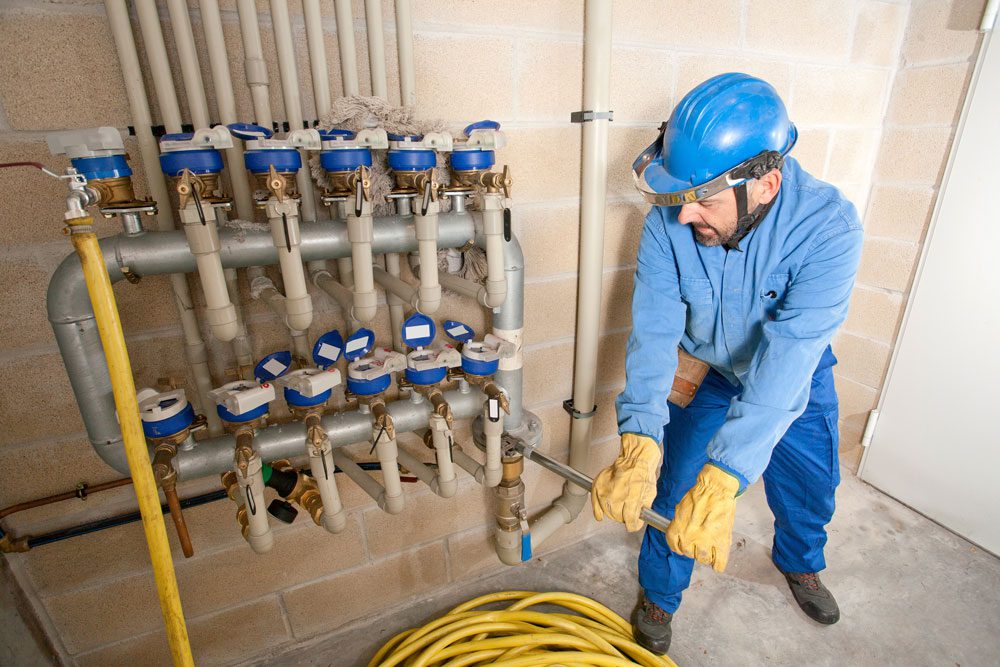
You can’t manage what you don’t measure. The primary utility meter gives you a monthly total, but it doesn’t tell you why your bill spiked on a Tuesday afternoon.
- What it does: These professional-grade devices are installed on the main electrical service and on major circuits (like the kitchen, gymnasium, or a large HVAC chiller) to track real-time electricity consumption in kilowatt-hours (kWh).
- The Smart Advantage: Continuous, granular monitoring reveals “phantom loads” (energy used when the building is supposedly empty), equipment that is cycling incorrectly, or sudden, inexplicable spikes. This data is the foundation of energy savings, often leading to immediate fixes like adjusting an overnight fan schedule or replacing a failing compressor.
- Impact: Energy savings are often the most immediate and significant ROI, allowing facilities teams to quickly verify that their conservation efforts are working.
Occupancy and People-Counting Sensors
Energy waste in schools is fundamentally a scheduling problem. Heating or lighting a classroom based on the bell schedule, not actual use, is the biggest culprit.
- What it does: These sensors use passive infrared (PIR), ultrasonic, or discreet radar technology to detect the presence of people in a room or zone. Advanced, privacy-focused counting sensors track the number of people without identifying individuals.
- The Smart Advantage: This data allows for demand-controlled automation.
- HVAC: If a sensor registers that a classroom is empty 15 minutes after the teacher leaves, the heating or cooling system can immediately enter a low-energy setback mode.
- Lighting: Lights are turned off automatically when a room is vacant, which is particularly effective in staff lounges, storage closets, and restrooms that are used intermittently.
- Impact: Significant reductions in HVAC and lighting costs, and crucial data for administrators to understand how spaces are actually being utilized for long-term planning.
3. Indoor Air Quality (IAQ) and CO₂ Sensors
In a post-pandemic world, air quality is a non-negotiable metric for student health and cognitive function. Carbon Dioxide is the key proxy for poor ventilation.
- What it does: These devices continuously measure critical environmental factors like CO₂ concentration, Volatile Organic Compounds (VOCs), temperature, and humidity.
- The Smart Advantage: High Carbon Dioxide levels are a byproduct of human respiration and are directly correlated with student drowsiness, reduced concentration, and the potential spread of airborne pathogens. Smart Carbon Dioxide sensors enable Ventilation-on-Demand (VoD):
- The system monitors Carbon Dioxide.
- When levels approach an unhealthy threshold (e.g., above 1000 ppm), the smart HVAC system automatically increases the intake of fresh outside air to dilute the pollutants.
- Once levels drop, the ventilation decreases, saving energy by not over-ventilating a lightly populated room.
- Impact: A healthier, safer environment, improved student focus, and regulatory compliance, all while optimizing HVAC energy use.
Remote Temperature and Humidity Probes
While a single thermostat controls a zone, numerous smaller probes scattered throughout the space provide a much richer picture of climate consistency.
- What it does: Small, wireless sensors monitor temperature and humidity in real-time, especially in critical or hard-to-reach areas like server rooms, cafeteria freezers, storage closets for sensitive materials, or the warmest corner of a classroom.
- The Smart Advantage: This data is vital for predictive maintenance and asset protection.
- HVAC Performance: A sudden, localized temperature difference can signal a stuck air damper or a duct leak long before the main system fails.
- Asset Protection: A temperature alert from a freezer in the kitchen or a high-humidity alert in a library archive can prevent thousands of dollars in spoiled food or damaged materials.
- Impact: Extends equipment life, minimizes costly emergency repairs, and protects school assets, ensuring operations run smoothly.
Smart Plugs and Power Strips with Energy Monitoring
While large systems dominate the bill, the collective impact of plugged-in devices, computer labs, smart boards, charging carts, and forgotten appliances, is substantial. This is often called “vampire power.”
- What it does: These devices are installed between a wall outlet and the device, allowing the facility manager to measure the power consumption of individual pieces of equipment or a bank of workstations.
- The Smart Advantage: They provide the capability to remotely shut down power to non-essential devices after school hours. Imagine being able to turn off all the monitors and projectors across the entire campus from a central dashboard at 6:00 PM, eliminating wasted overnight power.
- Impact: Eliminates residual power draw, providing easy, automated savings in classrooms and offices without relying on staff to remember to unplug devices.
The Power of Integration
The true magic of these devices isn’t what they do individually, but how they function together within a Building Management System (BMS). The occupancy sensor tells the light to turn off and the HVAC to enter setback mode. The energy meter validates the Carbon Dioxide sensor’s impact on fan power.
By adopting these top five smart monitoring devices, school districts stop treating energy management as a manual chore and transform it into an intelligent, automated, and sustainable strategy, allowing resources to be re-focused where they belong: on the students.